

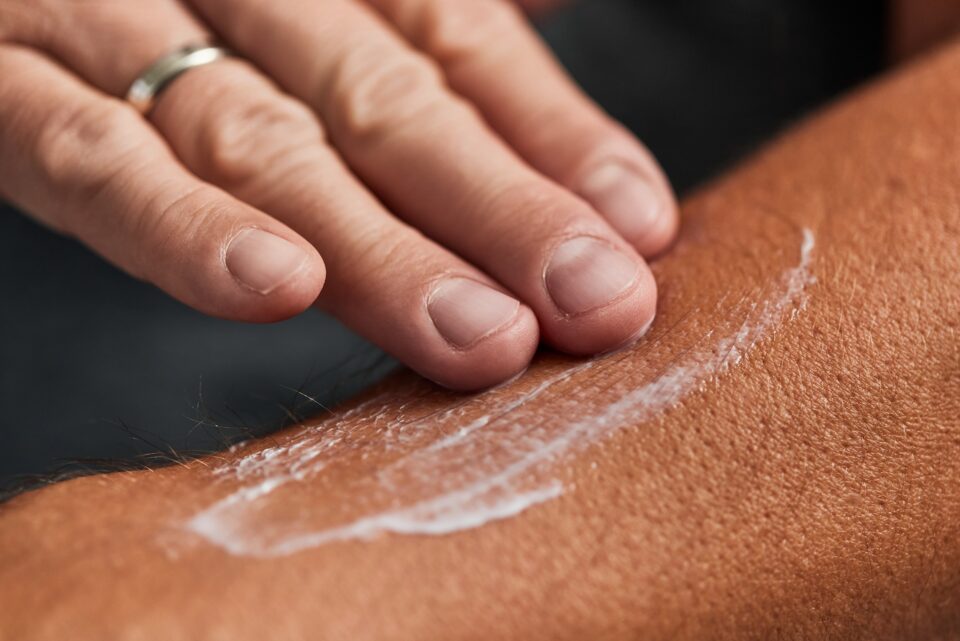
The new real-world study reports that 68% of surveyed patients disliked the feel of topical therapy. The cross-sectional findings cannot establish causes or treatment superiority.
A new eczema topical treatment satisfaction survey found that 68% of respondents using topical therapies disliked how the treatment made their skin feel. The result highlights a practical issue often overshadowed by clinical efficacy: a medicine may be prescribed correctly but still be difficult to use consistently in everyday life.
Who participated in the study?
The research analyzed linked surveys from 267 adolescents and adults in the United States with current moderate-to-severe atopic dermatitis. The cross-sectional survey was conducted in 2025 and published online on 30 October 2026.
Of the participants, 233 were classified by healthcare professionals as having moderate disease and 34 as having severe disease. A total of 193 used topical medication alone, while 74 used topical treatment alongside an advanced systemic therapy.
What did patients report?
Participants described effects on daily activities, clothing choices and sleep. The headline finding was that more than two-thirds disliked the sensation of their topical therapy on the skin. This does not mean that 68% stopped treatment, nor does it establish that all topical products are equally unpleasant.
The study also examined how closely clinicians’ assessments matched patient or caregiver reports. Agreement on treatment satisfaction varied from moderate in some groups to fair in others. Communication about how much product to apply showed only moderate agreement. These findings suggest that clinicians and patients may leave the same consultation with different understandings of treatment experience and instructions.
What can clinicians learn?
Topical treatment is a foundation of eczema care, but the formulation, application frequency, cost, inconvenience and sensory experience may affect how manageable it feels. Asking whether a cream or ointment is uncomfortable can reveal barriers that would not be obvious from looking at the skin alone.
Clear explanations about application amount, frequency and expected effects can help patients use medicines as intended. For patients whose disease remains inadequately controlled, treatment options should be reviewed individually rather than assuming nonadherence or simply repeating instructions.
What are the limitations?
This was an observational, cross-sectional survey, not a randomized comparison of different products. It cannot establish that a particular formulation caused dissatisfaction or that changing treatment would improve disease control. The sample was limited to US patients with moderate-to-severe disease.
The study’s analysis and publication were funded by Eli Lilly, and some authors were company employees. The authors report that the underlying Adelphi survey was independently collected. Those disclosures matter when interpreting industry-supported research.
Why this is relevant beyond eczema
The findings reinforce a broader principle in dermatology: treatment success involves more than measurable improvement on a severity scale. Comfort, daily burden and the patient’s understanding of the plan also matter. Larger prospective studies could clarify how improving communication and formulation choice affects adherence and longer-term outcomes.
The study also demonstrates why numerical agreement between a physician and patient should be assessed directly rather than assumed. A person may have visibly improved inflammation yet remain troubled by the effort or sensation of treatment. Conversely, a clinician may interpret a prescription as manageable when the patient experiences it as disruptive. Both perspectives are needed to judge care.
Original source: Lio P et al. How Patients with Atopic Dermatitis Experience Topical Therapy: A Real-World Analysis of Impact, Treatment Satisfaction, and HCP Communication. Dermatology and Therapy. Published 30 October 2026. Open original source
DOI: 10.1007/s13555-026-01967-9
Disclaimer: This article is published by Aesthetics.news for general information and educational purposes only. It does not constitute medical advice, diagnosis or treatment, and should not replace a consultation with a qualified healthcare professional. Treatments and outcomes may vary from person to person. Readers should seek advice from an appropriately qualified professional before making decisions about their health or treatment. In a medical emergency, seek immediate medical assistance.