

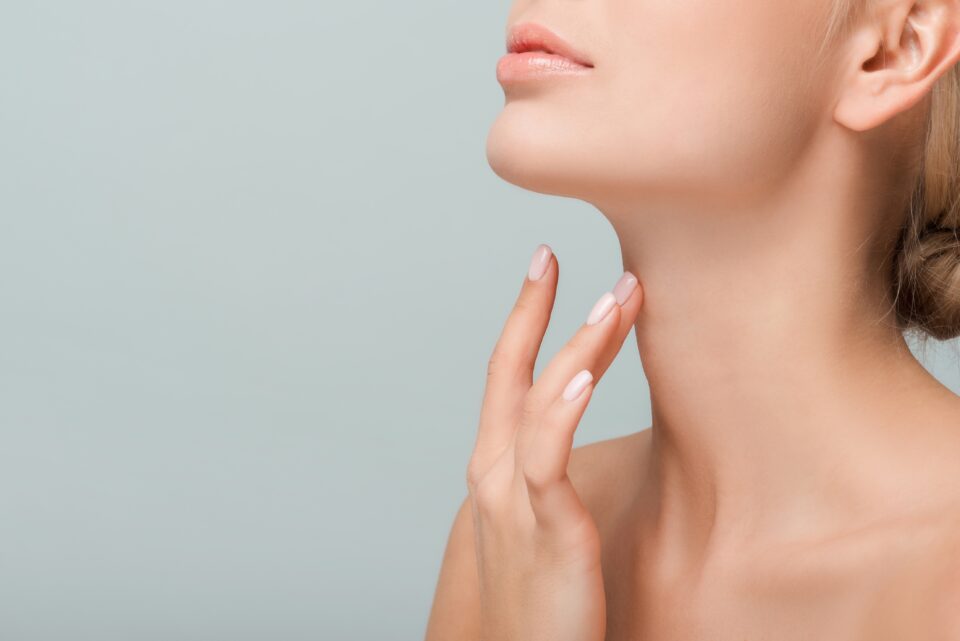
Mexico has approved Galderma’s Restylane Shaype hyaluronic acid filler for improving jawline definition as well as for chin augmentation. This report examines restylane shaype jawline and the evidence behind the headline. According to the company, this is the first jawline approval for the product anywhere in the world. Galderma announced the decision on 13 November 2026 and expects to launch the product in Mexico in the first half of 2027.
Restylane Shaype is already approved for chin augmentation in several markets, including Europe, Brazil, Canada and Thailand. The Mexican label adds a second indication: “improvement of jawline definition”. Galderma’s release cites the Mexican Instructions for Use dated November 2026 but does not name the regulator. Mexico’s medical product authority is COFEPRIS, but this has not been independently confirmed for this decision.
A firmer gel built for bone-level shaping
Galderma describes Shaype as the firmest gel in the Restylane range. It has the highest G′, the measure of how well a gel resists deformation. It is based on what the company calls NASHA HD technology and is marketed as “bone-mimicking”, meaning it is designed to be placed deep, near the bone, to build structure rather than to smooth surface lines. The approval also introduces a new syringe.
The chin and jawline are structural areas. Treating them aims to change the facial outline, so firmness and resistance to spreading matter more than softness. That is why manufacturers have been developing high-G′ products specifically for the lower face.
What the evidence shows
The company announcement reports efficacy figures and cites published chin and jawline clinical studies. The full studies should be consulted for detailed sample sizes, adverse events and methods.
For the chin, Galderma reports a pivotal 12-month study:
- 83% of participants showed improved chin structure and definition at three months, falling to 66% at 12 months.
- 84% said they would be treated again, and up to 97% would recommend the treatment.
For the jawline, the company cites a randomised controlled study in which Shaype was superior to no treatment, with improvement maintained for up to two years. In that study, 70% reported improved overall satisfaction and 82% said the results looked natural.
The release does not give sample sizes, confidence intervals or adverse-event rates for either study. These are needed to judge the size and reliability of the benefit and the safety profile. The comparison with “no treatment” shows that the filler works better than doing nothing. It does not show how Shaype compares with other fillers already used in the jawline, often off-label.
Why a jawline indication matters
Jawline contouring has become one of the most visible lower-face filler treatments. In many markets it is done with products whose labels cover only the chin, cheeks or other areas. Off-label use is legal for clinicians in most countries, but it means the regulator has not reviewed product-specific evidence for that area.
A formal indication changes that. It sets out the evidence a regulator has accepted, and it usually comes with defined injection techniques, depths and volumes in the instructions for use. For patients, an on-label product means the manufacturer has had to submit data for that exact use. For clinicians, it provides a reference point for training and consent.
The Mexican decision may also be an early indicator for other markets. Galderma has not said whether it is seeking jawline indications for Shaype elsewhere, including the United States, so no timeline should be assumed.
Safety still depends on the injector
The lower face carries real anatomical risk. The facial artery crosses the jawline near the front of the masseter muscle, and the mental and submental vessels lie close to common chin injection points. Vascular occlusion, though uncommon, is a recognised complication of all hyaluronic acid fillers. A firmer, more cohesive gel does not remove that risk, and deep placement near bone calls for precise anatomical knowledge.
Patients considering jawline treatment should check that the product used is approved for that area in their country and that their practitioner is trained to recognise and manage vascular complications. They should also ask how much product is planned. Structural treatments often use several syringes, which affects both cost and the amount of gel left in the tissue.
What to watch
The company cites peer-reviewed chin and jawline studies, including a randomized jawline trial. Independent assessment of their full methods, adverse events and longer-term outcomes remains important.
Original sources
https://www.galderma.com/news/mexico-approval-galderma-restylane-shaype
https://doi.org/10.1097/DSS.0000000000005378
This article is published by Aesthetics.news for general information and educational purposes only. It does not constitute medical advice, diagnosis or treatment, and should not replace a consultation with a qualified healthcare professional. Treatments and outcomes may vary from person to person. Readers should seek advice from an appropriately qualified professional before making decisions about their health or treatment. In a medical emergency, seek immediate medical assistance.