

A small study found a large gap between surface scan and MRI breast volume estimates. The findings call for care when interpreting imaging.
3D breast scans measured breast volume about 211 cubic centimetres lower than MRI, on average, in a study of 53 patients. The paper appeared online in Aesthetic Plastic Surgery on 9 November 2026. The result raises questions about how doctors interpret scan-based volume estimates during surgical planning.
How the 3D breast scans study worked
The researchers compared three-dimensional surface imaging with magnetic resonance imaging (MRI). MRI captures deeper structures, including the boundary near the chest wall. Surface imaging records the visible skin and estimates the breast’s hidden boundary. The team used data from 53 patients in a retrospective comparison.
What the researchers found
The mean difference was 210.57 cc, with the surface method giving lower volumes. Agreement between the methods was moderate. The intraclass correlation coefficient was 0.64, with a wide 95% confidence interval of 0.16 to 0.83. In addition, the gap tended to increase with breast droop, known as ptosis, and thicker tissue near the fold beneath the breast.
Why 3D breast scans matter in consultations
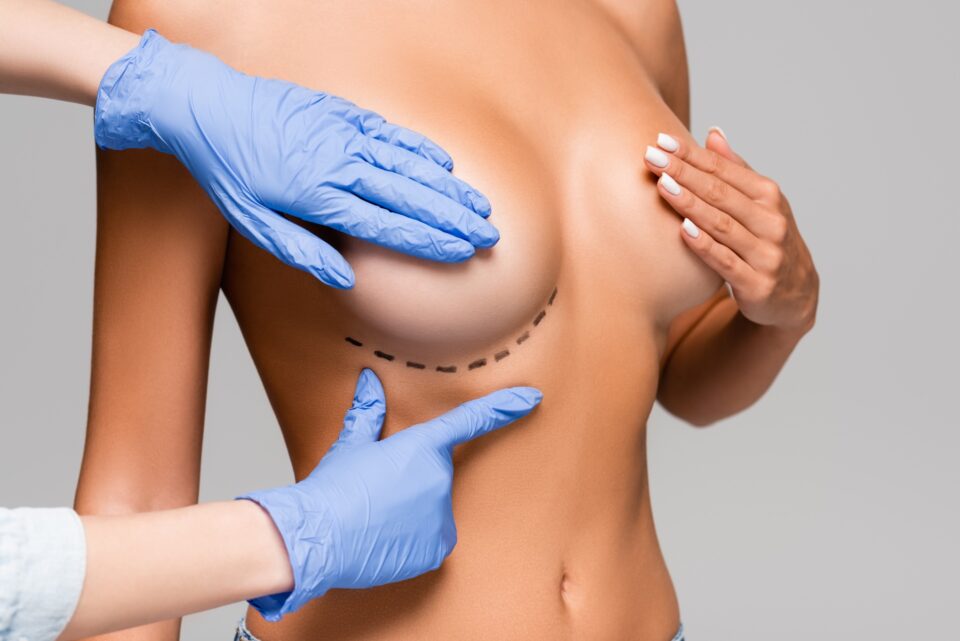
Clinics use surface scans to help explain shape, symmetry and possible surgical changes. However, a simulated image or volume number is not a promise of an outcome. The scan may help doctors and patients discuss options. It should not replace examination, tissue measurements or clinical judgement. Importantly, a 211 cc average difference does not mean every patient’s scan is wrong by that amount.
What this study cannot prove
This was a small study. The results may depend on the imaging system, software and patient group. The abstract also uses inconsistent wording about the study design. Therefore, other teams should test the findings with more patients and different devices. For now, the clearest message is to treat scan-derived breast volume as an estimate, not an exact measurement.
Original source
Pham M et al. Comparison of 3D-Surface Imaging and MRI for Breast Volume Measurement. Aesthetic Plastic Surgery. Published online 9 November 2026. https://doi.org/10.1007/s00266-026-06394-x
Disclaimer
This article is published by Aesthetics.news for general information and educational purposes only. It does not constitute medical advice, diagnosis or treatment, and should not replace a consultation with a qualified healthcare professional. Treatments and outcomes may vary from person to person. Readers should seek advice from an appropriately qualified professional before making decisions about their health or treatment. In a medical emergency, seek immediate medical assistance.