

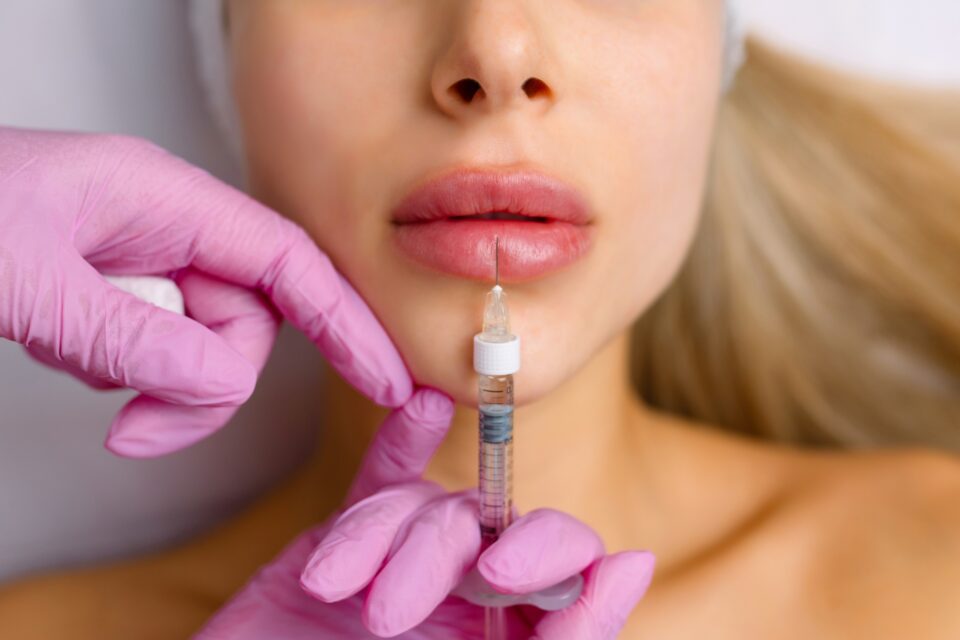
The Belotero lip filler trial offers a useful example of how researchers compare injectable products.
Why the Belotero lip filler trial matters
The Belotero lip filler trial offers a useful example of how researchers compare injectable products. The paper appeared in Aesthetic Surgery Journal on October 15, 2026. It studied Belotero Intense with lidocaine against Restylane Silk with lidocaine for lip augmentation. The researchers used a randomised, multi-centre design and blinded evaluators. This is stronger than a simple case series, although it does not answer every question about long-term results.
What noninferiority means
The trial aimed to test whether Belotero Intense performed no worse than the comparator by more than a preset margin. Researchers call this a noninferiority design. It is not the same as proving that one filler is better. Also, a study can meet its main goal while leaving questions about uncommon harms. The choice of margin and the number of patients both shape how much confidence readers should place in a result.
Why the comparison is useful
Both products contain hyaluronic acid, a material used to add volume to soft tissue. Both also contain lidocaine to reduce injection discomfort. Comparing active products can help clinicians understand differences under trial conditions. However, results depend on injection methods, follow-up periods and who joined the study. A trial in one population may not predict outcomes for every patient or injector.
Safety still needs long follow-up
Most filler studies cannot detect very rare vascular events or delayed inflammatory reactions. Those outcomes require broader safety tracking after launch. Patients also need clear advice about swelling, asymmetry, nodules and urgent warning signs. In particular, severe pain, skin colour changes or vision symptoms after facial filler require immediate medical assessment. No trial headline should replace that discussion.
What this study does not establish
The publisher record identifies the design and comparison, but this editorial summary does not claim a numerical response rate without checking the full tables. The study is also not a new regulatory approval announcement. The practical lesson is to ask what the trial actually compared before accepting a marketing claim.
Original source: https://pubmed.ncbi.nlm.nih.gov/42875033/
This article is published by Aesthetics.news for general information and educational purposes only. It does not constitute medical advice, diagnosis or treatment, and should not replace a consultation with a qualified healthcare professional. Treatments and outcomes may vary from person to person. Readers should seek advice from an appropriately qualified professional before making decisions about their health or treatment. In a medical emergency, seek immediate medical assistance.