

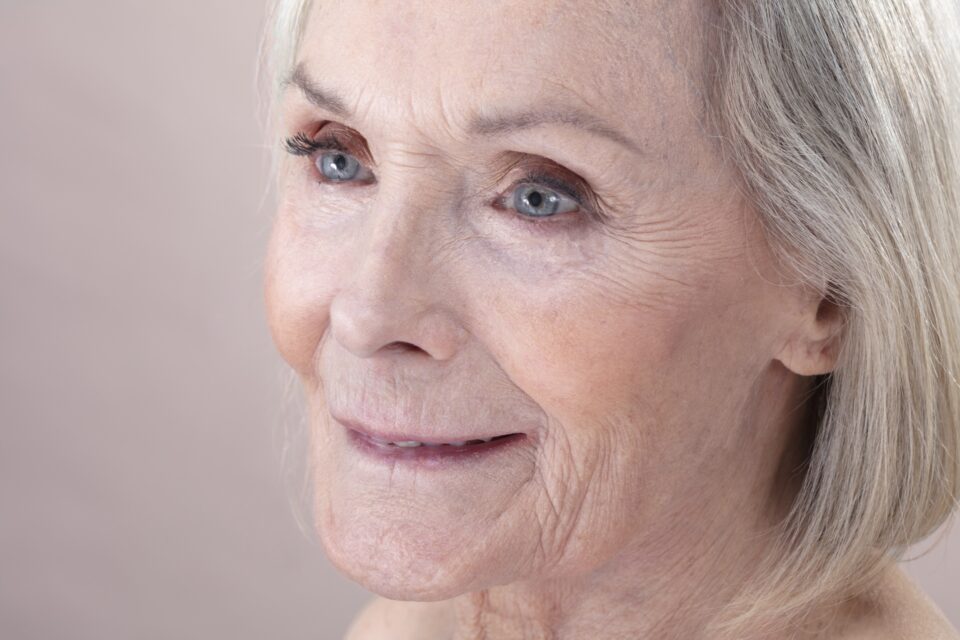
Ageing is more than wrinkles
Why do two people of the same age look so different? Part of the answer may lie beneath the skin. A paper published on 2 November 2026 proposes ten ‘hallmarks of aesthetic ageing’ to describe the changes that affect the face over time. The authors argue that facial ageing involves connected tissue layers, not just isolated wrinkles or volume loss.
The ten proposed hallmarks
The framework includes deterioration of the extracellular matrix, ageing fibroblasts, reduced regenerative ability, changes in gene regulation, mitochondrial dysfunction, altered signals between cells, long-term low-grade inflammation, fat-tissue remodelling, loss of structural support and decline in small blood vessels. These processes can interact. A change in one layer may influence the appearance and behaviour of another.
Why this is interesting for aesthetic medicine
Many treatments focus on a visible sign: a wrinkle, a hollow area or loose skin. The proposed framework asks clinicians to think more broadly. Is a change driven by skin quality, tissue support, fat distribution or several processes together? That could eventually support more personalised treatment plans. It might also help researchers choose meaningful measures of treatment response, durability and healing.
What the paper does not prove
This is a proposed conceptual framework built from an integrative review of existing evidence. It is not a clinical trial. The authors organised the hallmarks by evidence maturity and acknowledged that evidence is less direct in some deeper facial tissues. No study in this paper shows that a treatment selected using these hallmarks produces better results than standard anatomical assessment.
What comes next
The real test is whether the framework can be measured and validated in patients. Researchers would need to show that its markers predict treatment response, healing or safety. Until then, the hallmarks offer a useful research language rather than a proven new treatment algorithm. The message is compelling: facial ageing is a system, and good aesthetic care should respect the whole system.
Original source: https://doi.org/10.1093/asj/sjag251
This article is published by Aesthetics.news for general information and educational purposes only. It does not constitute medical advice, diagnosis or treatment, and should not replace a consultation with a qualified healthcare professional. Treatments and outcomes may vary from person to person. Readers should seek advice from an appropriately qualified professional before making decisions about their health or treatment. In a medical emergency, seek immediate medical assistance.